What happens when the path you’ve followed your whole life suddenly stops making sense?
What does it really take — emotionally, personally, existentially — to become a therapist?
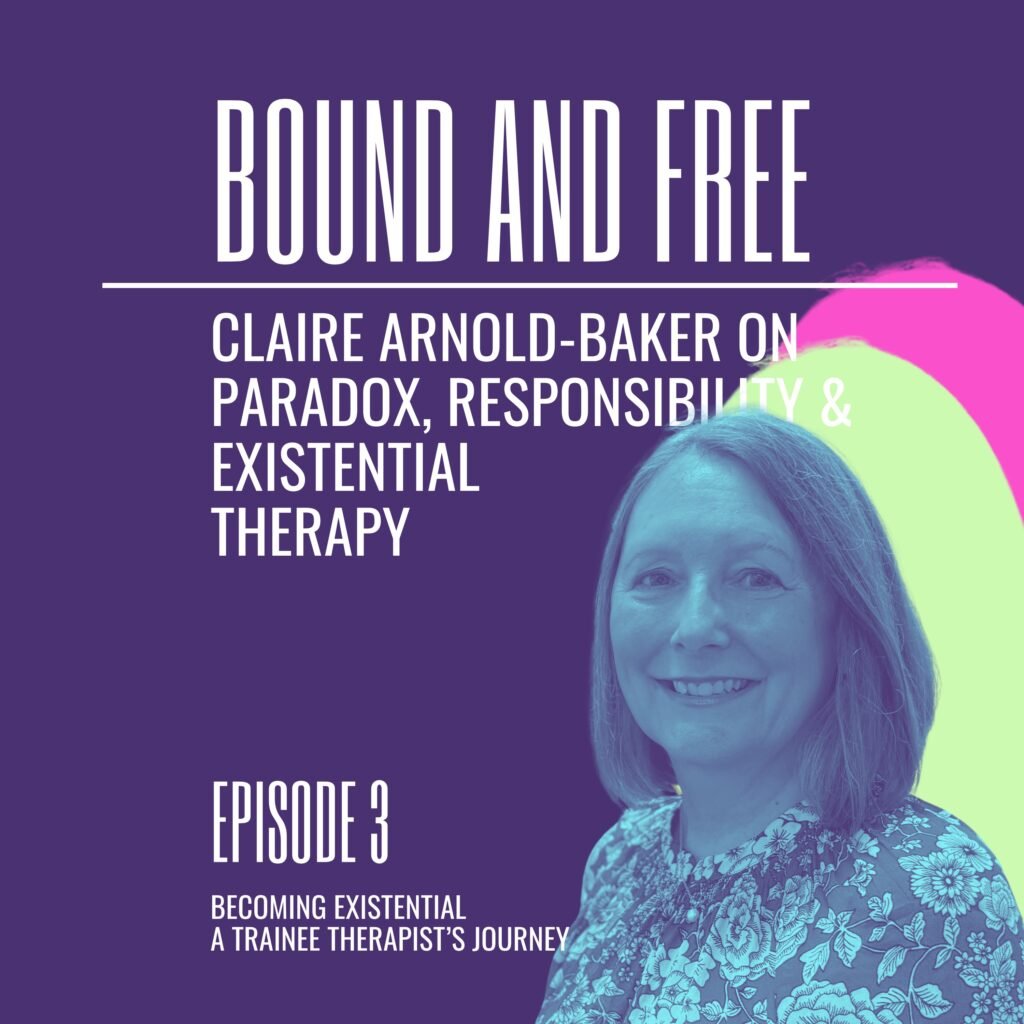
In this intimate and reflective conversation, I sit with my peer and fellow trainee Persefoni Kaltaki, with whom I began my journey at the New School for Psychotherapy and Counselling. Together, we speak openly about the emotional and existential cost of becoming a therapist.
Persefoni shares what it’s like to navigate training with dyslexia and ADHD, to move countries, to learn in a new language, and to start over while trying to hold space for others. She reflects on the limits of neurobiology and psychopharmacology in understanding the human condition and how discovering existential thought offered a way back to meaning.
“I hope for nothing. I fear nothing. I am free.” — Nikos Kazantzakis
This isn’t a conversation about methods or theories. It’s about what happens when therapy stops being a profession and becomes a way of being — about the laughter, vulnerability, and quiet courage it takes to keep becoming.
What Existential Therapy Feels Like
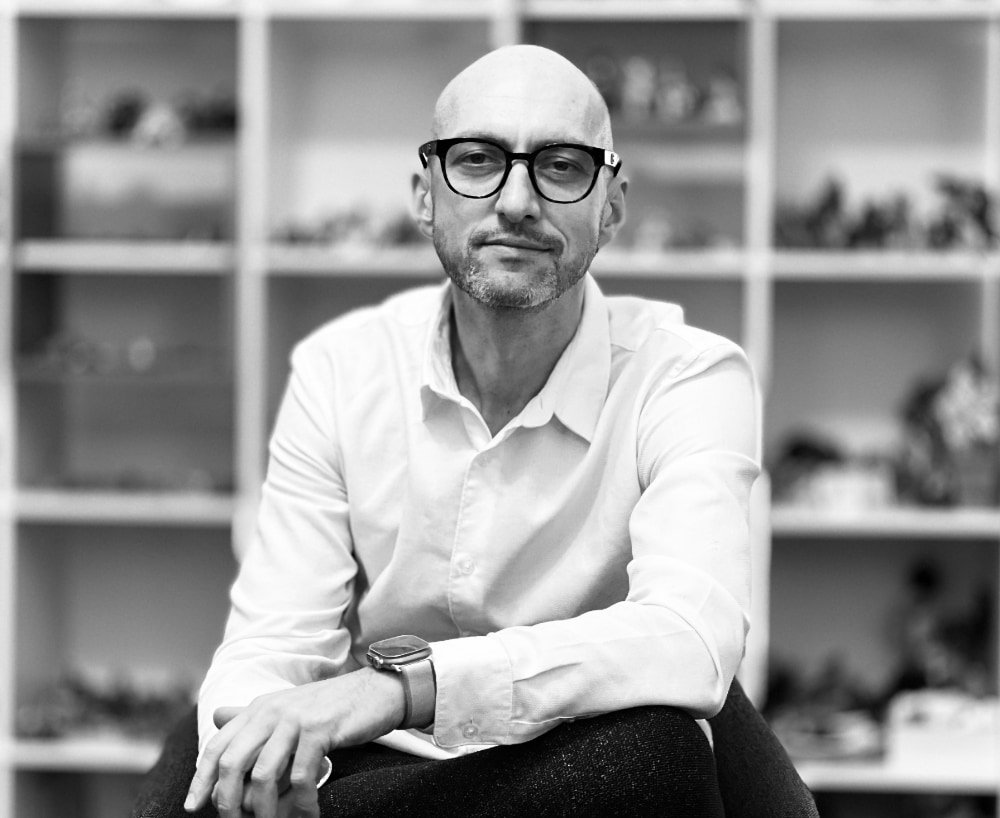
About Persefoni:
Persefoni Kaltaki is a psychologist and UKCP trainee psychotherapist with an MSc in Clinical Psychology and advanced training in existential psychotherapy at the New School of Psychotherapy and Counselling (NSPC) in London. She currently works both in private practice in Copenhagen and remotely with UK-based clients through Headstrong Counselling.
Her therapeutic work is trauma-informed and rooted in existential and phenomenological approaches, with a focus on relational depth, self-exploration, and psychological awareness. She has supported clients navigating cultural displacement, gender identity, neurodivergence, and systemic marginalisation, committed to inclusive, reflective practice that responds to each client’s unique context and lived experience.
She is also trained in working with survivors of domestic violence and sexual abuse and has facilitated group work and psychoeducational spaces focused on resilience, emotional wellbeing, and identity exploration. In addition to her independent practice, Persefoni collaborates with Daggry an organisation supporting LGBTQIA+ communities in Copenhagen.
Listen on Spotify
Apple